What Exactly Are We Talking About Here?
You know, it's really interesting how some of the simplest ideas can have the most profound impact, especially in education and community engagement. When I think about something as unassuming as a 'loan box,' my mind immediately jumps to its incredible potential. What is a loan box, you ask? Well, at its core, it's a wonderfully curated collection of resources, often including tangible artifacts, replicas, and always accompanied by rich educational materials. It’s designed to be temporarily borrowed by individuals, schools, or various community groups. Think of it as a portable learning kit, a compact museum exhibit, or a mini-science lab that comes right to your doorstep, bringing a piece of history, a scientific concept, or a cultural experience directly to the user.
For me, it's not just about the physical items inside; it's about accessibility. It's about breaking down barriers that might prevent someone from visiting a museum, an archive, or a specialized facility. It's about making learning hands-on and engaging, moving beyond textbooks and screens. I've always felt that the best way to understand something is to interact with it, to hold it, to feel its texture, or to try and figure out how it works. That's precisely what a good loan box facilitates.
The Genesis of a Great Idea: Where Did They Come From?
While the term 'loan box' might sound modern, the concept of lending out resources for educational purposes isn't new at all. Libraries have been doing it with books for centuries, right? But the idea of compiling specific themed kits, especially with museum artifacts or their replicas, really gained traction in the early to mid-20th century. As museums and educational institutions began to recognize their role beyond just housing collections, they started thinking about outreach.
I imagine it started with a curator or an educator looking at a shelf full of fascinating objects and thinking, 'How can we get these into the hands of kids who can't come to us?' It wasn't just about showing an image; it was about the tactile experience. Early iterations might've been quite basic, perhaps a handful of Roman coins or a few examples of local flora and fauna. But over time, with advancements in educational theory and a greater understanding of different learning styles, these boxes evolved into the sophisticated, multidisciplinary kits we see today. They aren't just collections; they're thoughtfully designed learning experiences.
A Peek Inside: What You'll Find
So, what can you actually expect to discover when you crack open a loan box? It totally depends on the theme, of course, but I've seen some truly amazing things. Here’s a general idea of the kinds of treasures you might uncover:
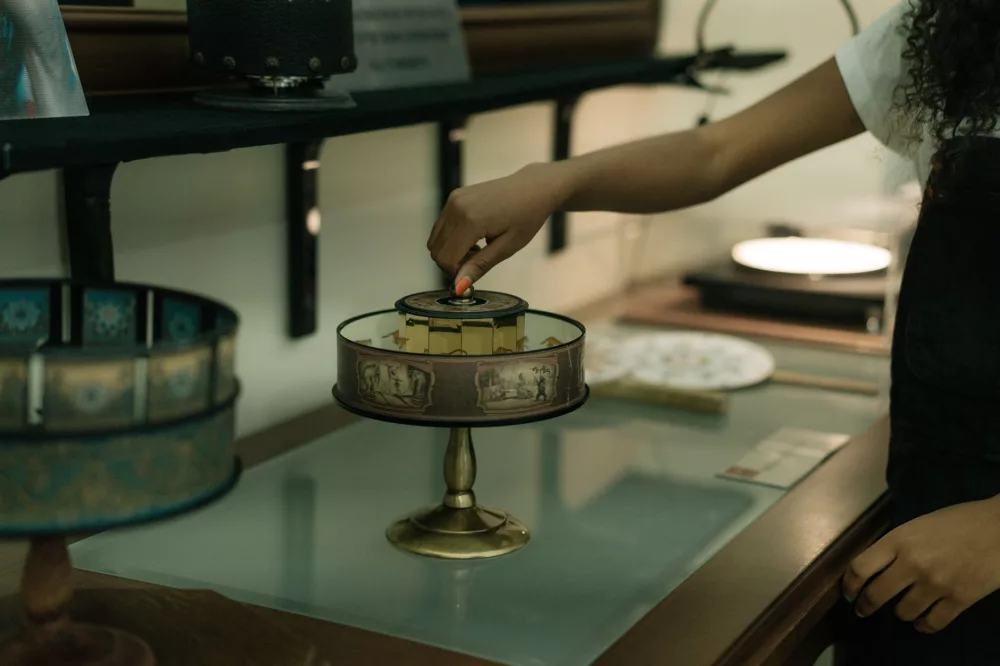
- Authentic Artifacts or High-Quality Replicas: This is often the star of the show. Whether it's a real fossil, an ancient tool, a Victorian toy, or a perfectly crafted replica of a dinosaur bone, these items offer an unparalleled tactile connection to the subject matter. There's nothing quite like holding something from another era.
- Curated Literature and Media: You'll usually find relevant books, historical documents, maps, photographs, and sometimes even DVDs or digital links to videos. These provide context, deeper explanations, and alternative perspectives.
- Lesson Plans and Activity Guides: This is where the magic for educators happens! These boxes often come with detailed, curriculum-aligned lesson plans, worksheets, discussion prompts, and activity suggestions. They make it super easy for teachers or group leaders to integrate the box's contents into their existing programs.
- Hands-On Tools and Materials: For science boxes, this could mean magnifiers, petri dishes, or rock samples. For art boxes, maybe some specific cultural art supplies. These encourage experimentation and creative exploration.
- Costumes or Props: Particularly for historical or cultural boxes, you might find clothing items or props that allow for role-playing and immersive experiences. It really helps bring a period to life!
- Sensory Items: Sometimes, especially for younger audiences or those with special needs, boxes might include items with different textures, sounds, or even smells to engage multiple senses.
Honestly, opening one up feels a bit like opening a time capsule or a scientist's fieldwork kit. It's exciting!
The Big 'Why': Benefits for Everyone
I genuinely believe loan boxes are an unsung hero in the world of education and community outreach. The benefits ripple out to so many different groups:
For Students and Learners:
- Enhanced Engagement: Hands-on learning just clicks for so many people. It’s far more memorable than just reading from a book.
- Accessibility: It brings specialized resources to those who might not have the opportunity to visit a museum or an archaeological dig site. This is a game-changer for rural schools or financially constrained groups.
- Critical Thinking: Interacting with objects prompts questions, observation, and analysis. Why was this designed this way? How was it used?
- Sensory Learning: They engage multiple senses, making learning a much richer, more immersive experience.
For Educators and Group Leaders:
- Curriculum Support: They provide ready-made resources that align with educational standards, saving teachers precious planning time.
- Unique Teaching Tools: These boxes offer materials that most schools couldn't afford or wouldn't have access to otherwise.
- Professional Development: Sometimes, working with these kits can even introduce educators to new teaching methodologies.
For Museums, Libraries, and Institutions:
- Broader Reach: They extend the institution’s impact far beyond its physical walls, connecting with a wider audience.
- Community Engagement: It fosters relationships with schools and local groups, positioning the institution as a valuable community resource.
- Collection Advocacy: It highlights the importance and relevance of their collections in a tangible, exciting way.
- Sustainability: High-quality replicas mean precious original artifacts can stay safely preserved while still being 'experienced.'
It's a win-win situation, really. Everyone benefits from these thoughtful initiatives.
Making it Happen: Logistics and Management
Of course, putting together and managing these boxes isn't a walk in the park. It requires quite a bit of thought and effort from the institutions involved. I've heard some fascinating stories about the behind-the-scenes work!
First, there's the curation process. This involves subject matter experts carefully selecting items, ensuring historical accuracy, and developing engaging educational content. Then, there's the physical assembly. You've got to make sure everything fits snugly and safely in its box, often with custom-cut foam inserts or protective packaging. I've seen some beautifully designed cases that are robust enough to withstand frequent travel.
Next up is logistics: booking systems, transport, tracking, and managing the return and inspection of each box. Institutions need clear guidelines for borrowing, return dates, and sometimes even cleaning protocols, especially for items that get a lot of hands-on attention. And let's not forget about maintenance and repair. Items can get damaged, or components might go missing, so there's always a need for upkeep to keep the boxes in tip-top shape.
Despite these challenges, the effort is so worth it. The joy and learning they spark make every bit of the logistical headache worthwhile.
The Future of Portable Learning
As we look ahead, I think loan boxes are only going to become more sophisticated and perhaps even more essential. With advancements in virtual reality and augmented reality, I can envision boxes that combine physical objects with digital overlays, offering an even deeper, interactive experience. Imagine holding a replica ancient artifact and, through an app on a tablet included in the box, seeing a 3D reconstruction of its original appearance or how it was used in its historical context!
They're a powerful reminder that learning isn't confined to a classroom or a single location. It can be portable, personal, and profoundly impactful. For me, a loan box represents an accessible doorway to knowledge, a tangible link to our past, and a stimulating prompt for our future curiosities. They're a brilliant example of how we can bring rich, engaging educational experiences to everyone, no matter where they are.