Reclaiming Your Smile: A Deep Dive into Dental Implants
Losing a tooth, or even a few teeth, can feel like a really big deal, can't it? It's not just about how your smile looks; it can genuinely affect how you eat, how you speak, and even how you feel about yourself. For years, folks had limited options like removable dentures or bridges that, while helpful, often came with their own set of compromises. But today, we're incredibly fortunate to have dental implants – a truly revolutionary solution that can give you back a strong, beautiful, and fully functional smile. I'm excited to walk you through everything you need to know about them.
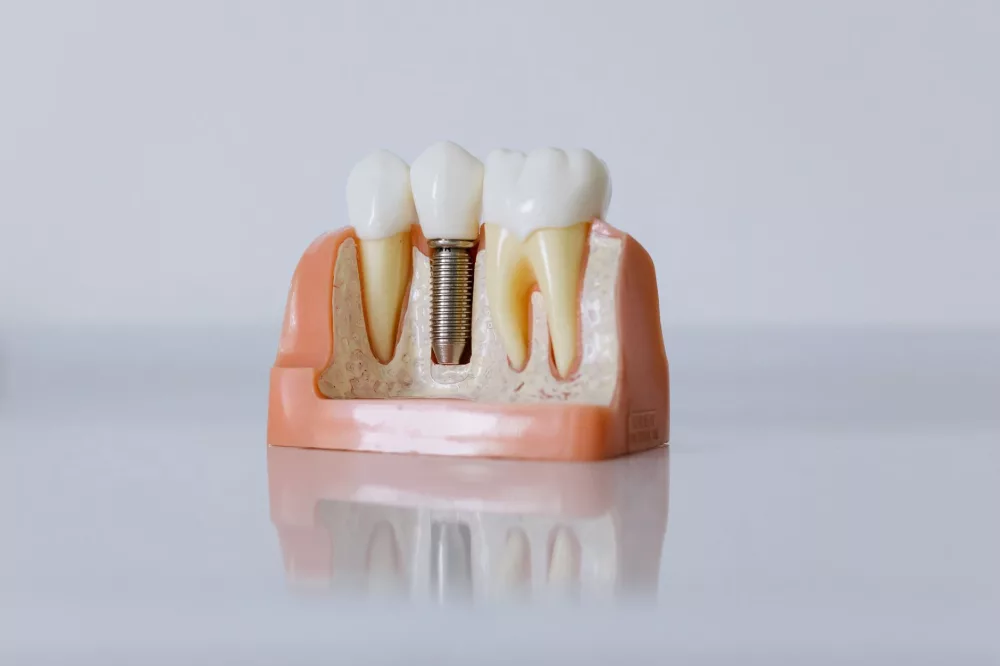
You see, dental implants aren't just about replacing the visible part of a tooth. What makes them so remarkable is that they replace the root structure too. This is a game-changer! Think of it like building a house; you need a solid foundation, right? Dental implants provide exactly that for your new tooth, ensuring stability, longevity, and a feel that's incredibly close to your natural teeth. My patients often tell me they forget which tooth is the implant – that's how natural they can feel.
What Exactly Are Dental Implants, Anyway?
So, let's break it down. At its core, a dental implant is a small, screw-shaped post, usually made from titanium. Why titanium, you ask? Well, it's an amazing material because our bodies readily accept it. It's biocompatible, meaning it can actually fuse with your jawbone in a process called
- The Implant Post: This is the titanium screw that goes into your jawbone.
- The Abutment: A small connector piece that screws into the implant post, sitting just above the gum line.
- The Restoration: This is the part everyone sees – your new custom-made crown, bridge, or denture that attaches to the abutment.
The Journey to Your New Smile: The Dental Implant Process
I know, the idea of surgery might sound a bit daunting, but let me assure you, the process is incredibly well-planned and typically very manageable. It unfolds over several stages, each crucial for the success and longevity of your implant.
1. Initial Consultation and Planning
Before anything else happens, we'll have a thorough chat. This is where I get to understand your specific needs, your oral health history, and what you hope to achieve. We'll take X-rays, sometimes 3D scans (like a CBCT scan), to get a super detailed view of your jawbone, nerve pathways, and sinus cavities. This meticulous planning helps us determine if you're a good candidate and where exactly the implant should be placed for optimal results. If your bone density isn't quite there, we might need to discuss a bone graft beforehand, but we'll cover all those options.
2. Implant Placement Surgery
When it's time for the actual surgery, we'll make sure you're comfortable. This procedure is usually done in our office with local anesthesia, and often with some form of sedation if you're feeling a bit anxious – which is totally normal! I'll make a small incision in your gum to expose the bone, then carefully create a tiny space where the titanium post will be gently placed. Once it's in, the gum tissue is usually closed over it, and that's it for this step. It's generally a quicker procedure than many folks expect.
3. Osseointegration: The Healing Phase
This is probably the most important, and often the longest, part of the process. Over the next few months – anywhere from 3 to 6 months, sometimes more – the titanium implant will naturally fuse with your jawbone. This biological process, called osseointegration, is what gives the implant its incredible stability and strength. During this time, you'll be on a soft diet and we'll keep an eye on your progress. Patience really is a virtue here, as this foundational healing is key to the implant's success.
4. Abutment Placement
Once osseointegration is complete and your jawbone has firmly embraced the implant, we'll perform a minor procedure to attach the abutment. This usually involves reopening the gum tissue slightly to expose the top of the implant, then screwing the abutment into place. Sometimes, the abutment can be placed at the same time as the implant, depending on your case. After the abutment is in, your gums will need a couple of weeks to heal around it, forming a nice, natural seal.
5. Attaching Your New Restoration
Finally, the exciting part! Once your gums have healed around the abutment, we'll take impressions of your mouth. These impressions are sent to a dental lab where your custom-made crown, bridge, or denture is crafted to perfectly match your natural teeth in shape, size, and color. When it's ready, you'll come back to the office, and I'll securely attach your new restoration to the abutment. And just like that, you'll have your complete, beautiful, and fully functional smile back!
Why Choose Dental Implants? The Benefits I See Every Day
I can't tell you how many times I've seen dental implants truly transform people's lives. Here are some of the fantastic benefits:
- Improved Appearance: Implants look and feel just like your own teeth. Because they're designed to fuse with bone, they become permanent.
- Better Speech: Unlike dentures that can slip, implants allow you to speak without the worry that teeth might shift, helping you avoid mumbled or slurred words.
- Enhanced Comfort: Since they become part of you, implants eliminate the discomfort of removable dentures.
- Easier Eating: Sliding dentures can make chewing difficult. Dental implants function like your natural teeth, allowing you to eat your favorite foods with confidence and without pain.
- Improved Self-Esteem: Getting your smile back can do wonders for your confidence and overall well-being.
- Improved Oral Health: Implants don't require reducing other teeth, as a tooth-supported bridge does. More of your own teeth are left intact, improving long-term oral health. Plus, individual implants allow easier access between teeth for cleaning.
- Durability: With good care, implants can last a lifetime. They're an excellent long-term solution.
- Bone Preservation: One of the most important benefits is that implants stimulate the jawbone, preventing the bone loss that often occurs when teeth are missing. This helps maintain your facial structure.
Are Dental Implants Right for You?
Generally, if you're missing one or more teeth and are in good general and oral health, you might be a great candidate for dental implants. We usually look for healthy gum tissue and enough bone to anchor the implant. Smoking, certain chronic diseases (like diabetes or heart disease), or radiation therapy to the head and neck area can affect the success rate, but it doesn't always rule them out. That's why a thorough consultation with me is so crucial; we need to assess your unique situation. I want to make sure we set you up for success!
Caring for Your New Implants
Maintaining dental implants is surprisingly straightforward – it's pretty much like taking care of your natural teeth! Regular brushing (twice a day), flossing (once a day), and routine dental check-ups are essential. I can't stress enough how important consistent oral hygiene is for preventing peri-implantitis, which is an inflammatory condition that can affect the tissues around the implant. If you take good care of them, your implants truly can last for decades.
Ultimately, dental implants are a fantastic investment in your oral health, comfort, and overall quality of life. They offer a reliable, long-lasting solution that looks and feels incredibly natural. If you've been considering options for missing teeth, I really encourage you to come in and talk to us. We can explore if dental implants are the right path for you to get that confident, healthy smile back. It's a journey, yes, but one that so many of my patients have found to be incredibly rewarding!