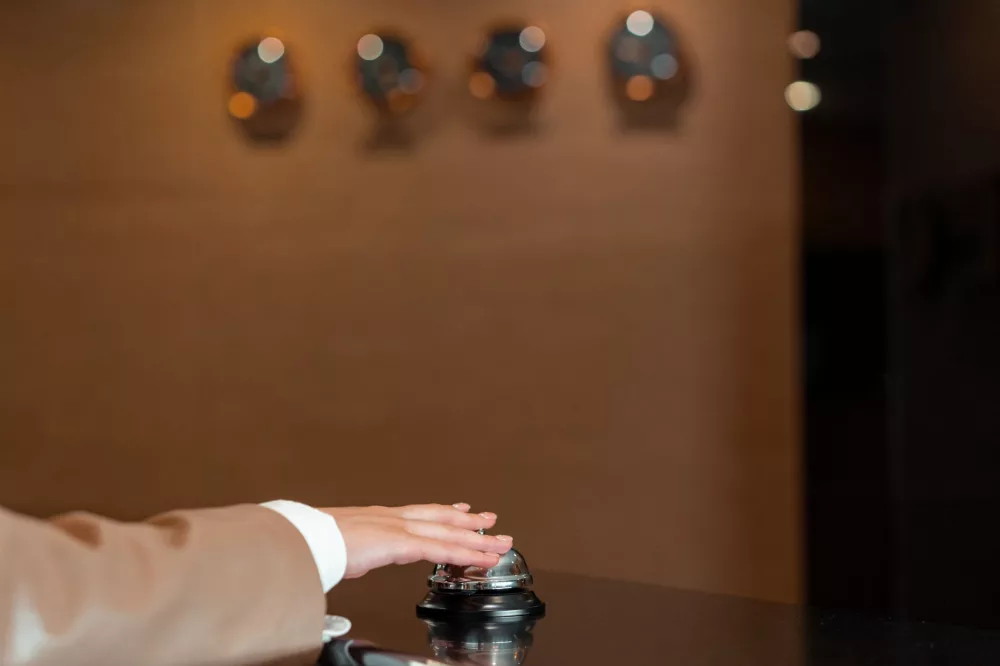
I've always found hotels incredibly fascinating places. They're not just buildings; they're temporary homes, sanctuaries, business hubs, and sometimes even destinations in themselves. When you think about it, hotels represent a huge part of our global travel and leisure industry, silently facilitating everything from quick business trips to luxurious vacations. For me, they embody a unique blend of hospitality, logistics, and design, all working in concert to create an experience for guests.
The Enduring Appeal of Temporary Homes
What is it about hotels that captures our imagination? I believe it boils down to the promise of comfort and convenience away from home. We travel for countless reasons – work, adventure, family visits, or simply a change of scenery. And in almost all these scenarios, a hotel steps in to provide a bed, a meal, and a sense of security. It’s a place where someone else makes the bed, cleans the room, and is generally on hand to help. This level of service, whether basic or extravagant, is a huge draw.
Think about the earliest forms of lodging; they were really just simple inns or guesthouses, often along trade routes. People needed a safe spot to rest their weary heads and perhaps feed their animals. These places were pretty basic, offering little more than shelter. But as travel became more common, and as societies grew wealthier, the demands for comfort and services grew too. We started seeing more elaborate establishments, especially in Europe, evolving into what we'd recognize as early hotels. It's a progression that I find quite remarkable, moving from a simple necessity to a sophisticated industry.
A Spectrum of Stays: Exploring Different Hotel Types
The beauty of the hotel industry, I think, is its sheer diversity. There's truly something for everyone, no matter your budget or your travel style. It's not a one-size-fits-all kind of business, and that's what makes it so dynamic.
Luxury Hotels and Resorts
Ah, the five-star experience! These are the places where every detail is meticulously planned, where personalized service isn't just an aspiration but an expectation. We're talking about gourmet dining, lavish spas, private concierges, and rooms that feel like miniature palaces. Resorts, often integrated with these luxury offerings, frequently include extensive recreational facilities like golf courses, multiple pools, and private beaches. For me, they're about indulgence and escaping the everyday.
Boutique Hotels
Now, boutique hotels are a different breed entirely. They're typically smaller, independently owned, and characterized by their unique design, personalized service, and distinct character. You won't find a cookie-cutter experience here; instead, each one tells its own story, often reflecting the local culture or a specific artistic theme. I really appreciate how they offer a more intimate and often trendier atmosphere.
Budget and Economy Hotels
Let's be real, sometimes you just need a clean, comfortable place to sleep without breaking the bank. That's where budget and economy hotels shine. Chains like Ibis, Travelodge, or Motel 6 focus on efficiency and value. They might not have all the bells and whistles, but they provide essential amenities like a comfortable bed, a clean bathroom, and perhaps a complimentary breakfast. I've stayed in plenty of these, and they're perfect for road trips or short business stays where the hotel isn't the main event.
Extended Stay Hotels
When your trip is going to last a while, perhaps a week or even a month, extended-stay hotels are a lifesaver. They're designed with longer visits in mind, offering amenities like kitchenettes, laundry facilities, and sometimes even separate living and sleeping areas. Think of places like Residence Inn or Homewood Suites. They make it much easier to maintain some semblance of a normal routine while you're away from home.
Bed & Breakfasts and Inns
For a truly personal touch, B&Bs and inns are just wonderful. Often run by individuals or families, they typically offer a handful of rooms in a more residential setting. The highlight is usually a homemade breakfast and the chance to interact with your hosts, who can provide invaluable local insights. I've had some of my most memorable travel experiences staying in charming B&Bs.
Motels
Originally designed for motorists, motels often feature exterior entrances to rooms and parking right outside your door. They're generally less about luxury and more about convenience for travelers on the move. While some might dismiss them, I think they still serve a very practical purpose, especially on long road trips.
The Core of the Hotel Experience: Services and Amenities
Beyond the different types, it’s the services and amenities that truly define a hotel's offering. These are the things that make our stay comfortable, convenient, and sometimes even unforgettable.
- Guest Rooms: This is where it all starts. A comfortable bed, a clean bathroom, good lighting, and reliable Wi-Fi are non-negotiables for me. Many hotels also offer minibars, safes, and workstations.
- Dining Options: From elaborate fine-dining restaurants to casual cafes and efficient room service, food and beverage are a huge part of the experience. A good breakfast, whether continental or a full buffet, can really set the tone for your day.
- Front Desk & Concierge: These folks are the heart of the hotel's guest interaction. They handle check-ins, check-outs, and can be an incredible resource for local information, reservations, and solving any issues that pop up. Their efficiency and friendliness can make or break a stay.
- Recreational Facilities: Pools, fitness centers, spas, and even kids' clubs are increasingly common, especially in larger hotels and resorts. They offer ways to relax and stay active without leaving the property.
- Business Services: For corporate travelers, amenities like meeting rooms, business centers, and fast internet are absolutely essential.
- Additional Services: Laundry, dry cleaning, parking, and airport shuttles are those little extras that really add to the convenience factor.
Navigating the Hotel World: My Perspective as a Guest
My journey with hotels usually begins long before I arrive, with the booking process. The rise of online travel agencies (OTAs) and direct booking channels has completely changed how we find and reserve rooms. I often find myself poring over reviews and photos to make sure I'm picking the right place for my needs. It’s all about managing expectations, isn't it?
Check-in is always an interesting moment. You get that first impression of the staff, the lobby, and the overall atmosphere. A warm welcome can truly make a difference. And then, there's the room itself. I always do a quick scan – is it clean? Does everything work? Is the Wi-Fi strong? These are small things, but they contribute immensely to my comfort.
During my stay, I really value responsive and helpful staff. If I have a question about local attractions or a minor issue with my room, knowing someone is there to assist promptly makes me feel well taken care of. Personalization, even a little bit, can elevate an experience. When a hotel remembers my coffee preference or a previous request, it shows they’re paying attention.
Behind the Scenes: The Intricate Business of Hotels
What we see as guests is just the tip of the iceberg. The operations of a hotel are incredibly complex, involving numerous departments working together seamlessly. From housekeeping and maintenance to sales, marketing, and revenue management, there's a huge team making sure everything runs smoothly. It's a high-pressure environment, often requiring a 24/7 commitment.
The industry itself is constantly evolving. We've seen massive technological shifts, from keyless entry systems and smart room controls to sophisticated yield management software that adjusts prices in real-time. Artificial intelligence is even starting to play a role in personalized guest experiences and operational efficiency. The competition is fierce, too, not just from other hotels but from alternative accommodation options like vacation rentals. Hotel operators have to be incredibly adaptable and forward-thinking to stay relevant.
As I look to the future, I can't help but wonder what new innovations will emerge. Will virtual reality tours become standard? Will AI concierges be more common? What about sustainable practices, which are becoming increasingly important to me and many other travelers? Hotels have come such a long way, and I'm genuinely excited to see how they continue to transform to meet our changing needs and desires. It's a dynamic world, full of possibilities, and I'm always eager to experience the next chapter in hospitality.